Hook, Line, and Flavor: How Baja's Fishing Villages Are Putting Cabo on the Culinary Map
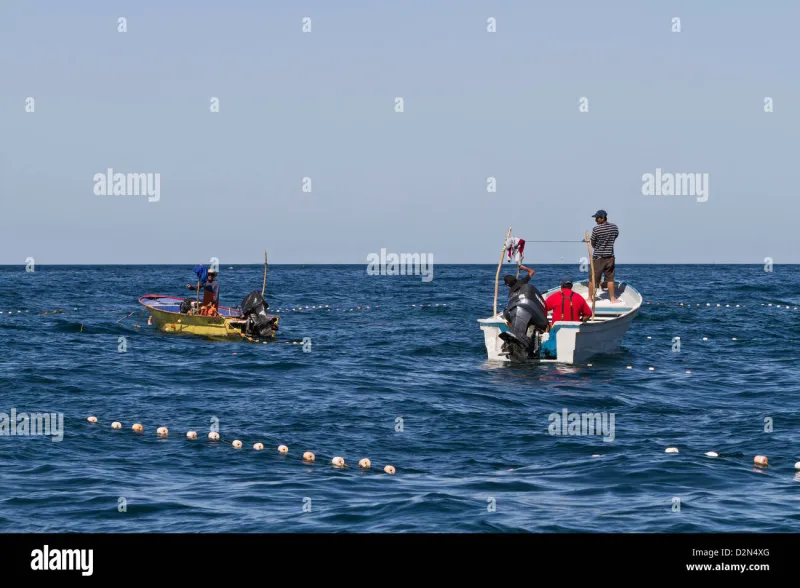
Photo: Mexican fisherman fresh catch Baja California Pacific coast panga boat, via c8.alamy.com
Most visitors to Cabo San Lucas eat well. That's almost a given. But eating exceptionally — the kind of meal that makes you rethink what Mexican coastal cuisine can actually be — requires stepping outside the resort corridor and following the boats.
Before the sport fishing charters rev their engines and the Instagram crowd lines up for poolside ceviche, something far more important is already happening. Small pangas — the flat-bottomed fiberglass boats that have worked these waters for generations — are pushing out into the Pacific and the Sea of Cortez, crewed by fishermen who know these currents the way most of us know our morning commute. What they bring back is shaping a culinary movement that's quietly making Cabo one of the most exciting food destinations on the West Coast of the Americas.
The Villages Behind the Menu
A short drive from the downtown marina, communities like El Pescadero, Los Cerritos, and the smaller hamlets scattered along the Corridor don't show up in most travel itineraries. That's a shame, because these are the places where Cabo's real food identity lives.
In El Pescadero, cooperative fishing operations have been working the same stretches of ocean for decades. The catches here — yellowfin tuna, wahoo, dorado, and an impressive rotation of shellfish depending on the season — are sold partly to local markets and increasingly to a growing network of Cabo restaurants that have figured out something obvious but underutilized: the best seafood in the world is the stuff that didn't travel far to get to you.
"We used to sell most of our catch to middlemen," says one longtime fisherman from a cooperative near Todos Santos, who asked to be identified only by his first name, Rodrigo. "Now we have chefs calling us directly. They want to know what we caught today, not what's been sitting in a distribution warehouse."
That shift — from commodity supply chain to direct relationship — is the engine driving Cabo's seafood renaissance.
Chefs Who Do Their Homework
At a handful of restaurants in and around Cabo, a new generation of chefs is building menus around what the boats bring in rather than what's easy to order in bulk. It's a harder way to run a kitchen. Menus change constantly. Prep cooks have to be flexible. But the payoff on the plate is undeniable.
One chef working out of a small restaurant near the marina describes his sourcing philosophy in refreshingly blunt terms: "If I can't tell you which cooperative caught it and roughly when, I don't want it on my menu." His current rotating crudo — sliced wahoo dressed with a habanero-citrus oil and a scattering of local sea salt — is the kind of dish that makes you understand why people fly to Japan for sushi. The fish is that fresh.
Other chefs are doing more adventurous work. Think grilled chocolate clams (a Baja specialty that deserves far more attention in the US food press) served with a charred corn salsa that bridges the gap between the sea and the desert in a single bite. Or slow-braised octopus with local chiles and a mole that takes three days to make. These aren't fusion experiments for their own sake — they're expressions of a place where the Pacific, the desert, and centuries of culinary tradition all converge.
What's on the Plate Right Now
For visitors curious about where to start, a few dishes and ingredients are worth knowing before you arrive.
Chocolate clams (Megapitaria squalida) are harvested from the sandy flats of the Sea of Cortez and have a rich, briny flavor that holds up beautifully to heat. You'll find them grilled, steamed, and occasionally raw with just a squeeze of lime. Seek them out.
Yellowfin tuna from these waters is some of the best in the world, and local preparations range from simple aguachile (a punchy, spicy raw preparation that's Sinaloa-style by origin but very much at home in Baja) to more elaborate tostada builds that layer texture and acid in ways that feel both traditional and completely contemporary.
Dorado (mahi-mahi to most Americans) shows up in tacos all over Cabo, but the versions made with same-day catches from cooperative fishermen have a sweetness and firmness that frozen or shipped fish simply can't replicate. If a taco stand near the water tells you the dorado came in that morning, believe them — and order two.
How to Eat Like You Mean It
Getting access to this side of Cabo's food scene takes a little intention, but not much. A few practical tips:
- Go early. The best fish markets and the restaurants connected to cooperative fishermen do their business in the morning. If you're sleeping until 10, you're already behind.
- Ask questions. In Cabo's better seafood spots, staff are generally happy to tell you where the fish came from and how it was caught. If they can't answer, that tells you something too.
- Leave the resort for lunch. Many of the most interesting spots are small, cash-friendly, and not located inside any hotel. Rent a car, or grab a taxi, and head toward Todos Santos or along the Pacific side of the Corridor.
- Look for the cooperative connection. Some restaurants actively market their relationships with local fishing cooperatives. This transparency is a good sign.
The Bigger Picture
What's happening in Baja's fishing villages isn't just a food story — it's an economic and environmental one too. When chefs pay fair prices for directly sourced fish, cooperative fishermen have more incentive to practice sustainable harvesting. Several operations in the region have adopted voluntary catch limits and seasonal restrictions that go beyond what's legally required, because they understand that the resource they depend on needs protecting.
For travelers, supporting restaurants that source this way is one of the easiest and most delicious forms of responsible tourism available. You're not sacrificing anything. You're eating better and helping ensure that the waters around Cabo stay productive for the communities that have worked them for generations.
That's the thing about Cabo's seafood renaissance. It tastes like the future, but it's built on something very old — the relationship between a fishing family, a stretch of ocean, and the people lucky enough to sit down at the table.