Chase the Light: How to Plan Your Cabo Trip Around the Most Breathtaking Sunsets on the West Coast
There's a moment in Cabo — usually somewhere around 6 p.m., when the sky starts doing things that feel almost unreasonable — where conversations just stop. Phones come out. Drinks go untouched. Everyone faces west, and nobody apologizes for it.
That's the golden hour in Cabo San Lucas, and it hits differently here than almost anywhere else in North America. The reason isn't magic (well, mostly). It's geography. The tip of the Baja California Peninsula sits at the junction of the Pacific Ocean and the Sea of Cortez, flanked by rugged desert mountains that catch and scatter light in ways that coastal cities farther north simply can't replicate. Add in the low humidity of a desert climate and the dust particles that drift in from the surrounding landscape, and you've got a natural light filter that painters would kill for.
If you've ever wondered whether it's worth timing your vacation around sunset season — spoiler: it absolutely is — here's everything you need to know.
Why Cabo's Sunsets Are Genuinely Different
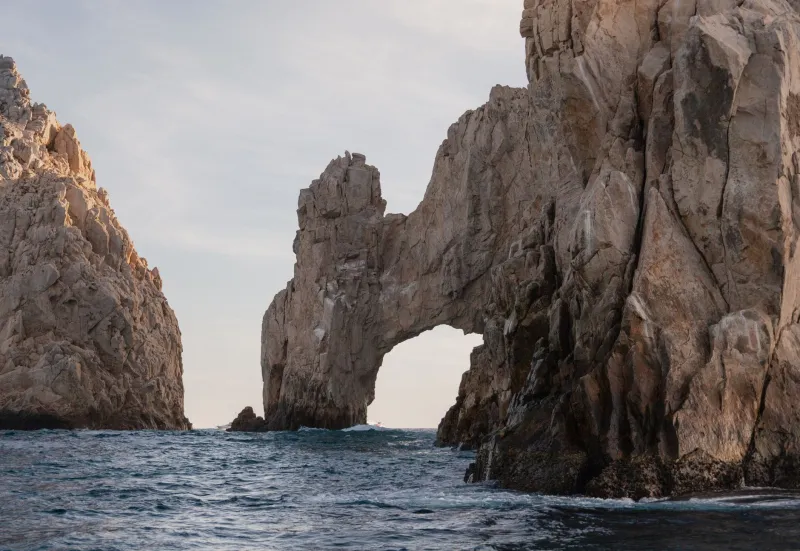
Most beach destinations offer a pretty sunset. Cabo offers a production. The silhouette of El Arco, the iconic rock arch at Land's End, frames the sun as it drops toward the Pacific horizon. The Sea of Cortez, nicknamed "the world's aquarium" by Jacques Cousteau, picks up copper and magenta tones on its eastern side while the Pacific glows orange to the west. You're essentially watching two bodies of water light up simultaneously, with a desert mountain range acting as a backdrop.
The arid climate plays a huge role here. Unlike humid tropical destinations where haze can muddy the light, Cabo's dry air keeps the horizon crisp. On clear evenings, you'll sometimes catch a rare atmospheric phenomenon called the "green flash" — a split-second emerald burst right as the sun dips below the horizon. It sounds like an urban legend, but locals and longtime visitors will confirm: it's real, and Cabo might be one of the best places in the Americas to actually witness it.
The Best Time of Year to Visit for Peak Sunsets
Here's the honest answer: Cabo has good sunsets year-round. But some seasons are genuinely better than others.
October through December is widely considered the golden window. The summer humidity has cleared out, the skies are intensely blue during the day, and the late-afternoon light takes on a warm amber quality that photographers chase all over the world. Temperatures are also at their most comfortable — hovering in the low-to-mid 80s — making it easy to linger outside as the light fades.
January and February bring slightly cooler evenings but often deliver some of the clearest skies of the year. Sunset times shift earlier (around 5:45 to 6:00 p.m.), which is actually convenient if you're traveling with kids or prefer an early dinner.
March through May sees longer days and spectacular late sunsets — sometimes stretching past 7:30 p.m. by May. The spring sky tends to carry more color variation, with pinks and purples layering above the horizon long after the sun is technically down.
June through September is Cabo's summer and early hurricane season. While dramatic storm light can produce genuinely jaw-dropping skies, cloud cover is less predictable and the humidity climbs. That said, post-storm evenings in late August and September can be some of the most vivid you'll ever see.
Where to Actually Watch
Not all sunset spots are created equal, and your choice of location will shape the whole experience.
The Arch (Land's End) is the iconic choice, and for good reason. Boat tours depart from the marina throughout the afternoon and position you on the water as the sun descends directly behind the rock formation. It's genuinely stunning. Book a glass-bottom boat or a small catamaran tour rather than the larger party boats if you want a quieter experience.
Lover's Beach — accessible only by water taxi — offers a stripped-down, no-frills version of the same view. Arrive by 4:30 p.m. to claim your spot on the sand before the afternoon crowd thins out.
The Corridor rooftops are an underrated option. Several boutique hotels and restaurants along the Transpeninsular Highway between Cabo San Lucas and San José del Cabo have elevated terraces that look out over the Pacific with almost no visual obstruction. The drive along the Corridor at dusk, with the desert hills turning gold behind you and the ocean glittering ahead, is its own kind of reward.
Médano Beach keeps things social. The main beach strip in Cabo San Lucas faces west, and the palapa bars and beach clubs here turn golden hour into a communal ritual. Order a mezcal, find a beach chair, and let the crowd's energy carry you into the evening.
San José del Cabo's estuary offers something quieter and genuinely surprising. The freshwater lagoon at the edge of town attracts birds at dusk, and the light bouncing off still water against a desert-mountain backdrop is a completely different visual experience than the open ocean. Worth the short drive if you're staying in the East Cape area.
Small Details That Make a Big Difference
A few practical notes that'll upgrade your golden hour from good to unforgettable:
- Arrive 45 minutes early. The pre-sunset light — that warm, directional glow about an hour before actual sunset — is often more photogenic than the final moments. Everything looks like a magazine cover.
- Check sunset times before you book activities. Sunset in Cabo ranges from about 5:40 p.m. in December to 7:45 p.m. in late June. Planning a dinner reservation or boat tour that conflicts with peak light is a rookie mistake.
- Face east occasionally. While everyone watches the western horizon, the mountains and desert behind you are absorbing the same light and turning extraordinary shades of rose and amber. Don't miss the whole picture.
- Skip the filter. Cabo's natural light is already doing the work. Your camera's automatic settings, unedited, will capture colors you won't believe.
The Part Nobody Puts in a Guidebook
The thing about watching the sun go down in Cabo is that it has a way of resetting something in you. Maybe it's the scale of it — the desert, the ocean, the sky all conspiring at once. Maybe it's the forced pause in a trip that otherwise never stops moving.
Whatever it is, plan for it. Not just as a photo opportunity or a box to check, but as the actual reason you're here. Because when the light fades and the first stars appear over the Sea of Cortez, and the cactus-studded hills behind you go dark, you'll understand exactly why people keep coming back to the southern tip of Baja.
Cabo's sunsets aren't a backdrop. They're the whole point.