Beyond the Resort Bubble: The Real Cabo That Locals Actually Call Home
Let's be honest about something: the Cabo that gets sold to American tourists — the swim-up bars, the marina restaurants with English menus, the DJ sets that start at noon — is a version of Cabo. It's a fun version, even a great version. But it's been specifically designed for visitors, which means it tells you almost nothing about the people who actually live here.
Real Cabo — the one that locals navigate every day, where families gather on weekday evenings, where small businesses are quietly thriving, where neighborhoods are changing in ways that haven't made it onto any travel blog — exists in parallel to the resort strip, usually just a few minutes' drive away. Getting there isn't difficult. It mostly just requires the willingness to look.
The Geography of Two Cabos
Cabo San Lucas sits at the very tip of the Baja Peninsula, which means land is finite and the divide between tourist infrastructure and residential life is surprisingly compressed. The marina and Medano Beach form the commercial heart of the visitor experience. But climb any of the hills that ring the downtown area, or drive ten minutes inland, and the architecture changes completely — from resort stucco to concrete-block homes with rooftop water tanks, from manicured resort gardens to yards with desert plants and the occasional wandering chicken.
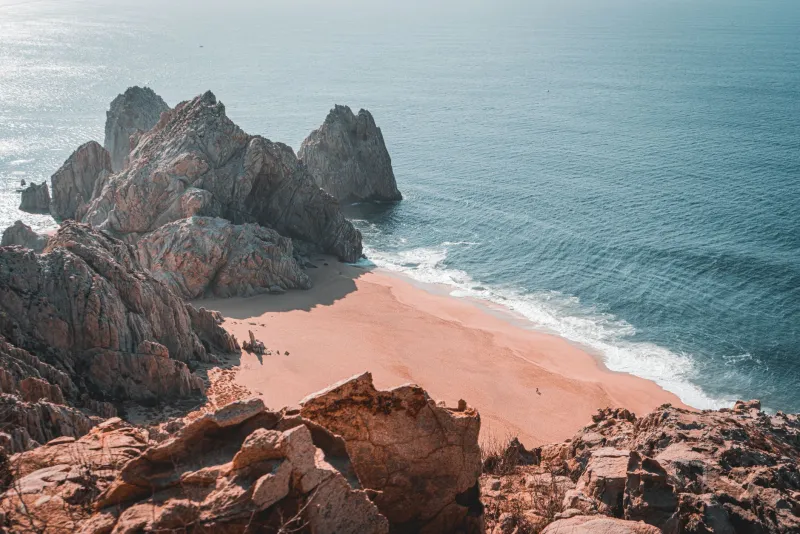
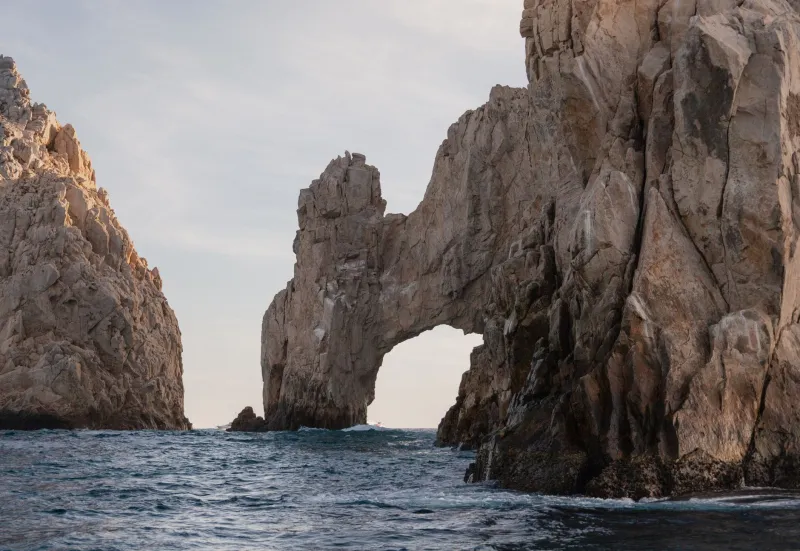
Locals refer to these residential zones informally by their colonia names — neighborhood designations that function like New York boroughs in miniature. Colonia El Pedregal, draped across the hills above the marina, is where you'll find some of the city's most established Mexican families living alongside a growing creative class. The views from up there, incidentally, are extraordinary — the entire marina, the arch, and the Pacific spread out below like a map.
Further from the water, colonias like Chula Vista and Buenavista have the unhurried feel of working-class Mexican neighborhoods anywhere on the peninsula: tiendas on every corner, kids on bikes, the smell of something good cooking from behind a screen door. These aren't destinations in the traditional travel sense, but spending an afternoon walking them recalibrates your whole understanding of what Cabo actually is.
San José del Cabo: The Other City Most Visitors Underestimate
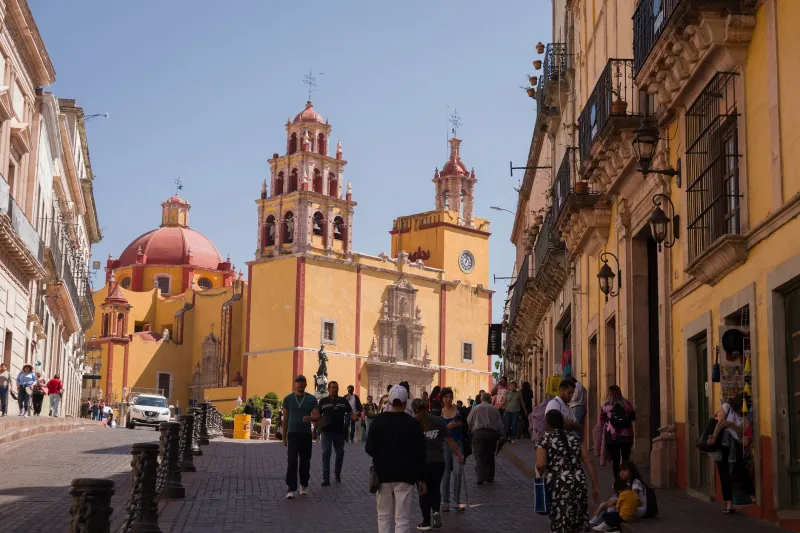
About 20 miles northeast of the marina, San José del Cabo operates at a completely different frequency. It's technically part of the Los Cabos municipality, but culturally it's a distinct place — older, quieter, more rooted in colonial Mexican identity.
The historic downtown around Plaza Mijares is where San José's soul lives. On Thursday evenings from November through June, the Art Walk draws local gallery owners, artists, and residents into the streets in a way that feels genuinely organic rather than staged for tourists. The galleries here — many of them showing work by Baja-based painters and sculptors — are legitimate, and the conversation you'll have with a gallery owner at 7 p.m. on a Thursday will teach you more about modern Baja culture than any resort cultural program.
The side streets off the main plaza are where San José gets interesting on a granular level. There are taquerías that have been operating from the same corner for decades, hardware stores next to artisan shops, a municipal market where the produce section doubles as a social hub on Saturday mornings. The pace here is different — unhurried in a way that invites you to slow down with it.
Where Locals Actually Eat (And Why It Matters)
Food is always the most direct route into how a community actually lives, and Cabo's local food culture is worth making a serious effort to find.
The Mercado Municipal in Cabo San Lucas — the actual city market, not the souvenir market near the marina — is where locals shop for produce, meat, and dry goods. The lunch counters inside, run by women who've been cooking the same regional dishes for years, serve some of the most honest food in the city. A bowl of menudo on a Sunday morning here is a cultural experience as much as a meal.
Along Calle Hidalgo and the streets branching off it, taco stands and small fondas (casual family restaurants) operate on local schedules — meaning they're packed at 2 p.m. for the big midday meal and quieter in the evenings. Ordering at a counter where nobody speaks English, pointing at what the person next to you ordered, figuring it out — that's not an inconvenience, it's the whole point.
In San José, the Mercado Orgánico that runs on weekends near the estuary has become a genuine gathering point for the city's growing community of young professionals, artists, and entrepreneurs. Local honey, Baja wine, handmade tortillas, coffee from Chiapas — it's a snapshot of where Mexican food culture is heading, and it's worth two hours of your morning.
The Neighborhoods Having a Moment
If you pay attention, you'll notice something happening in Cabo's older residential zones: a quiet creative revival that mirrors what happened in neighborhoods like Williamsburg in Brooklyn or South Congress in Austin years ago, before those places became what they are now.
In San José, the blocks around Calle Zaragoza and Calle Doblado have seen a handful of independent coffee shops, small galleries, and design studios open in the last few years — most of them run by young Mexicans who grew up in Baja or relocated from Mexico City. These aren't places optimized for Instagram. They're places where people actually work and hang out, which makes them far more interesting.
In Cabo San Lucas, the area around Colonia Centro — the original downtown core — is experiencing something similar. Murals have appeared on walls that were blank two years ago. A few natural wine bars and mezcalerías have opened in spaces that used to be vacant storefronts. The energy is early and unpolished, which is exactly what makes it worth paying attention to.
How to Actually Engage
None of this requires any special access or insider connections. A few practical approaches that work:
- Rent a car for at least one day and drive without a destination. The Transpeninsular Highway heading north from San José passes through small communities — Miraflores, Santiago — that feel like completely different worlds from the resort zone.
- Eat lunch where locals eat lunch. This means going to places without English menus, between 1 and 3 p.m., in neighborhoods away from the marina. Your phone's translation app handles the language gap just fine.
- Go to the market on Saturday morning. Any market, either city. Show up without a shopping list and just watch how people interact.
- Ask your hotel's housekeeping or kitchen staff where they eat, where their family goes on Sundays. These conversations almost always lead somewhere genuinely good.
What You Actually Bring Home
The resort version of Cabo will give you a tan, a hangover, and some good photos. That's not nothing. But the version of Cabo that exists in its neighborhoods, its markets, its side-street lunch counters, and its Thursday evening gallery walks will give you something harder to explain and easier to carry: an actual sense of a place.
Cabo San Lucas is a city of roughly 200,000 people living real, complicated, interesting lives against one of the most dramatic natural backdrops on the continent. The desert meets the sea here, and so do a dozen different versions of what modern Mexican life looks like. The resort corridor is the introduction. Everything else is the story.