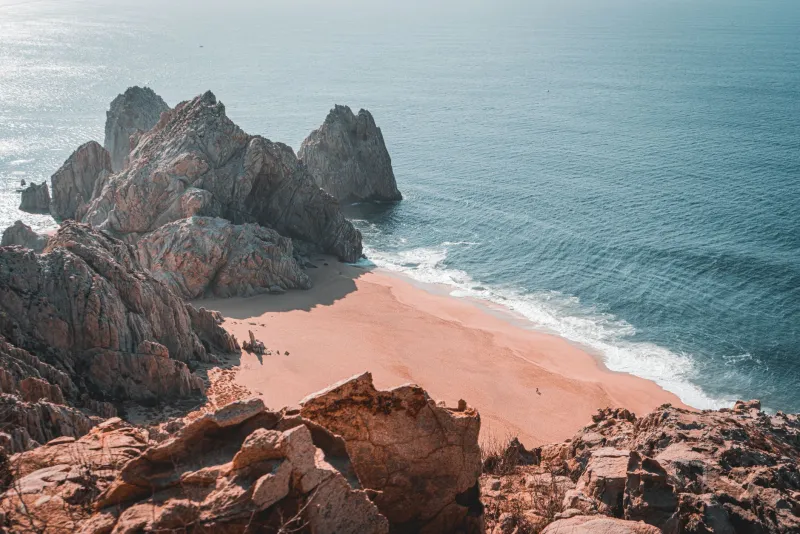
Luxury with a Conscience: Cabo's Eco-Resort Revolution Is Here and It's Stunning
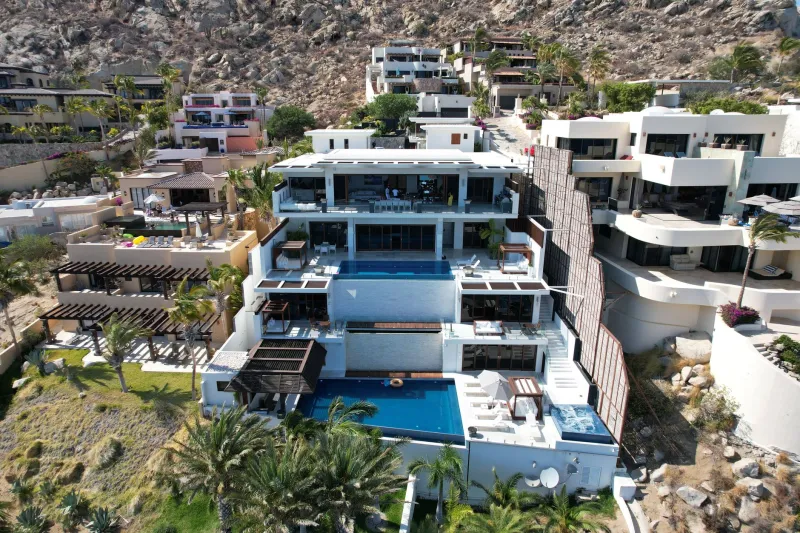
For years, "sustainable travel" and "luxury vacation" felt like opposite ends of a spectrum — one conjuring images of composting toilets and cold showers, the other of overwater bungalows and bottomless champagne. In Cabo San Lucas, that gap is closing fast, and the results are genuinely impressive.
A crop of forward-thinking resorts and boutique properties has emerged along the Baja Peninsula over the past several years, built on the premise that guests shouldn't have to choose between comfort and conscience. These aren't bare-bones eco-lodges. We're talking chef-driven restaurants sourcing ingredients from on-site organic gardens, infinity pools heated by solar arrays, and conservation programs where guests can tag sea turtles before heading to a private tasting menu dinner. The experience is immersive, indulgent, and increasingly, the thing that sets Cabo apart from every other beach destination competing for American travel dollars.
Why Cabo? Why Now?
The timing makes sense when you look at the destination's trajectory. Cabo has spent the last two decades building a reputation as a playground for the affluent — celebrity-owned restaurants, mega-yachts in the marina, nightclubs that charge four figures for bottle service. That identity isn't going away, but it's evolving.
US travelers, particularly those in the 35-to-55 demographic with disposable income and a growing environmental awareness, are increasingly asking harder questions about where their money goes. A 2023 survey by Booking.com found that more than 70 percent of American travelers said they wanted to make more sustainable choices on their trips — but most weren't willing to sacrifice quality to do it. Cabo's emerging eco-luxury properties are designed precisely for that traveler.
The geography helps too. Cabo sits at the intersection of the Pacific Ocean and the Sea of Cortez — a body of water Jacques Cousteau famously called "the world's aquarium." The region is home to extraordinary biodiversity: whale sharks, humpback whales, manta rays, nesting sea turtles, and hundreds of endemic bird species. That natural richness gives conservation-minded resorts an authentic reason to exist, and guests a genuine connection to the place they're visiting.
Properties Leading the Charge
Design That Works With the Desert
Some of the most striking sustainable properties in the Cabo area take their architectural cues directly from the desert landscape. Rather than imposing glass-and-steel structures that require constant air conditioning to maintain, these hotels use thermal mass construction — thick adobe and stone walls that stay cool during the day and release warmth at night — alongside strategic orientation to maximize natural ventilation. The result is a building that feels rooted in its environment rather than dropped onto it.
Several boutique properties in the corridor between Cabo San Lucas and San José del Cabo have gone further, incorporating native desert landscaping that requires zero irrigation once established. Forget the manicured tropical gardens that guzzle water in an arid climate — these resorts let the cardón cactus and desert willow do the decorating, and the aesthetic is genuinely beautiful.
Farm-to-Table, Baja Style
The culinary scene at Cabo's eco-conscious properties deserves its own conversation. Several resorts have developed working organic gardens on-site or partnered with small farms in the fertile valleys north of the city, creating menus that shift with what's actually growing rather than flying ingredients in from the mainland.
This isn't a marketing gimmick. When a resort's restaurant is built around local sourcing, the food tastes demonstrably different — and the economic ripple effect into surrounding communities is real. Chefs at these properties often know their suppliers by name, and some offer farm visits as an excursion option for curious guests.
Seafood sourcing is another area where the better properties distinguish themselves. The Sea of Cortez faces genuine pressure from overfishing, and resorts that work with certified sustainable fisheries — and are transparent about it — are making a meaningful difference while serving guests something they can feel good about eating.
Conservation as an Amenity
Perhaps the most compelling shift in Cabo's eco-luxury space is the integration of conservation programming directly into the guest experience. This isn't a donation box at the front desk — it's structured participation in real ecological work.
Sea turtle nesting season runs roughly from June through December along Baja's Pacific coast, and several properties now offer guided evening excursions to watch females come ashore, followed by early-morning hatchling releases that guests can participate in under the supervision of biologists. The experience is genuinely moving — the kind of thing that gets talked about at dinner tables back home for years.
Other programs include whale shark snorkeling excursions conducted in partnership with marine research organizations, coral reef monitoring dives for certified scuba divers, and bird surveys in the desert scrub behind certain properties. These aren't just feel-good extras. They're experiences that connect guests to the extraordinary natural world that makes Cabo worth visiting in the first place.
The Honest Trade-Offs
It would be dishonest to present this trend without acknowledging the complexity underneath it. Cabo is, at its core, a mass-tourism destination — and the infrastructure required to host millions of visitors a year has significant environmental costs regardless of how green individual properties try to be. Desalination plants, expanded highways, and the sheer volume of air travel feeding the destination's economy are not small footnotes.
The most credible eco-luxury properties acknowledge this openly and invest in carbon offset programs, water reclamation systems, and community development initiatives that address the broader picture. When evaluating a resort's sustainability claims, it's worth asking specific questions: What percentage of energy comes from renewables? How is wastewater treated? What percentage of staff is hired locally? The answers will tell you quickly whether you're looking at genuine commitment or polished greenwashing.
What It Means for Your Trip
For American travelers planning a Cabo vacation, the growth of the eco-luxury sector opens up a genuinely exciting option. These properties tend to offer a more intimate, place-specific experience than the large all-inclusive resorts — smaller guest counts, deeper programming, and a sense that your stay is contributing something rather than simply consuming.
Pricing is comparable to other high-end Cabo options, and in some cases the value proposition is stronger when you factor in the included experiences. A sea turtle release at sunrise, followed by a farm-to-table breakfast on a terrace overlooking the desert and the sea, is a hard thing to put a price on.
Cabo has always been a destination that knows how to deliver a good time. What's changing is that it's learning to deliver one that lasts — not just in your memory, but in the landscape that made it possible.