Wet, Wild, and Way Off the Beaten Path: Cabo's Water Scene Nobody's Talking About
Everybody knows Cabo has water. Great water. Turquoise, warm, absurdly photogenic water. But if your entire relationship with the Sea of Cortez involves a lounge chair and a cocktail menu, you're leaving the best parts completely untouched.
The real water culture in Cabo runs deep — literally and figuratively. It's in the working pangas that head out before sunrise, in the bioluminescent plankton that lights up quiet coves after dark, in the underground freshwater systems that most visitors don't even know exist, and in the small but passionate community of locals working to protect the marine ecosystem that makes all of it possible. These are the experiences that turn a good vacation into something you actually carry home with you.
Go Out on a Panga Before the Resort World Wakes Up
The panga is the workhorse of Baja's fishing culture — a small, open fiberglass boat that local fishermen have used for generations to work these waters. Most tourists only see them from shore. The smarter move is to get in one.
Several local outfitters and fishing cooperatives in the East Cape and around the Cabo waterfront offer panga fishing trips with crews who have been reading these waters their whole lives. These aren't polished sportfishing charters with satellite TV and air conditioning. They're early-morning, hands-in-the-water, genuine fishing expeditions where your guide might be third-generation Baja born and raised.
You're likely targeting yellowfin tuna, dorado (mahi-mahi), or roosterfish depending on the season. But the real catch is the experience itself — the silence before the sun comes up, the way the captain reads the current without looking at a screen, the possibility that you'll be back at the dock with fresh fish by 9 a.m. while the rest of the resort is still at breakfast.
Some local restaurants near the marina will cook your catch for you on the spot. That's the kind of morning that doesn't fit in a brochure.
Bioluminescent Paddling After Dark
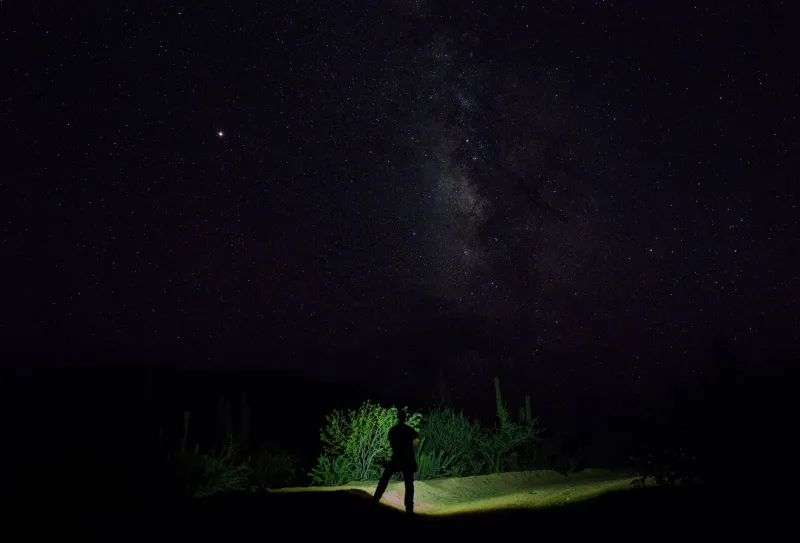
This one sounds like something out of a nature documentary, but it's real and it's accessible. In certain coves and calm inlets around the Los Cabos corridor — particularly during warmer months — bioluminescent phytoplankton concentrates near the surface of the water. Disturb it with a paddle, a hand, or the wake of a kayak, and it glows a ghostly blue-green.
A handful of small-group tour operators run nighttime kayak and paddleboard excursions specifically timed to catch the phenomenon at its peak. These trips are intentionally low-key — small groups, minimal lighting, a guide who knows which spots are most active on any given night. The whole point is to let the water do the talking.
It's worth noting that bioluminescence isn't guaranteed every single night — it depends on water temperature, plankton blooms, and lunar cycles. But operators who specialize in this experience have learned to read the conditions, and many will reschedule or refund if the conditions aren't right. Ask before you book.
If you've never seen the ocean light up under your paddle, it's the kind of thing that genuinely resets your sense of wonder. Worth every bit of effort to make it happen.
Cenotes: Cabo's Inland Water Secret
Most people associate cenotes with the Yucatán Peninsula, and fair enough — that region has thousands of them. But Baja California Sur has its own underground freshwater systems, and a few accessible cenote-style swimming experiences have quietly opened up for visitors willing to venture a bit inland from the coast.
These aren't the massive, Instagram-famous cavern pools of Tulum. They're smaller, more rugged, and considerably less crowded. Some require a short hike through desert terrain — which, if you've read anything else on this site, you already know is worth it on its own merits. The contrast of swimming in cool, clear freshwater while surrounded by cactus and dry Baja landscape is genuinely surreal in the best possible way.
Access varies. Some sites are managed by local ejido communities and charge a small entry fee that goes directly back to the community. Others are part of guided day trips that combine the swim with a broader look at the inland Sierra landscape. Either way, this is the kind of experience that makes you feel like you've discovered something, even if you found it through a search engine.
Volunteer a Day with Marine Conservation Crews
The Sea of Cortez — what Jacques Cousteau famously called "the world's aquarium" — is one of the most biodiverse marine environments on the planet. It's also under pressure from overfishing, warming water temperatures, and the sheer volume of human activity that a booming tourist destination generates.
Several Cabo-based nonprofits and research organizations welcome short-term volunteers, including vacationers who want to do something more meaningful than snorkel a reef and move on. Opportunities range from coral monitoring dives and sea turtle nest protection programs to beach cleanup operations and whale shark data collection during peak season.
Organizations like Pelagios Kakunjá and various Sea of Cortez conservation coalitions have worked with international visitors before and know how to integrate people with varying skill levels. You don't need to be a certified diver for every program — some of the most impactful work happens above water.
Spending even a single day working alongside marine biologists and local conservationists changes how you see the water for the rest of your trip. That snorkel you take the next day hits differently when you understand what's actually at stake.
Kayaking the Corridor's Sea Caves
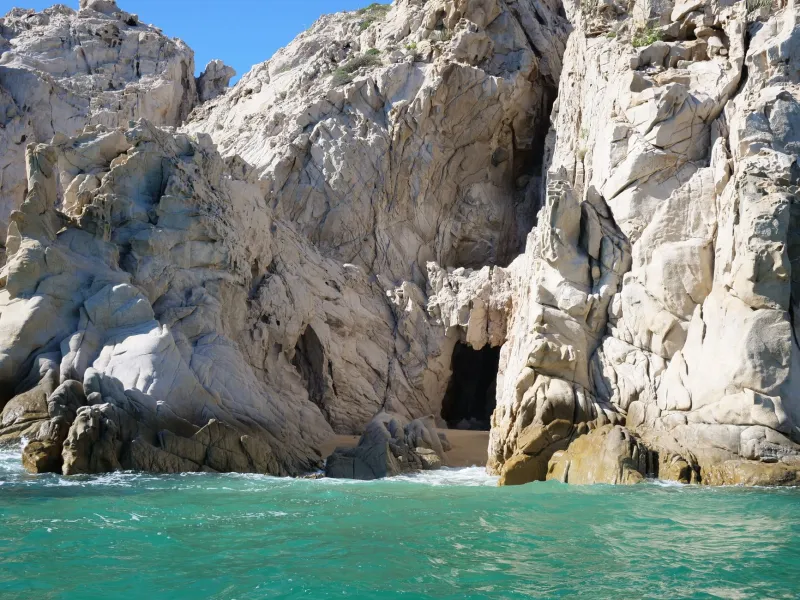
The dramatic rock formations along the Pacific side of the Cabo corridor — including the iconic Land's End arch — are even more impressive at water level. Sea kayaking tours that thread through these formations and into the sea caves beneath them run year-round, and they're genuinely worth the couple of hours they require.
The calmer months (roughly October through April) offer the most predictable conditions, but experienced guides run these routes in summer as well. Some tours combine the cave exploration with a stop at Playa del Amor, the famous beach that can only be reached by water — which, given how many people now know about it, is best visited early in the morning before the water taxi crowd shows up.
A few outfitters offer sunrise kayak departures specifically to beat the rush. Paddling through a sea arch with the first light of the day hitting the cliffs above you is the kind of Cabo moment that earns the early alarm.
The Water Is the Point
Cabo built its reputation on the ocean. The resort pools and beach clubs are great — nobody here is going to tell you to skip them entirely. But the water that surrounds this place has a whole other life happening beyond the swim-up bar, one that connects back to centuries of Baja fishing culture, to ecosystems that exist nowhere else on earth, and to a community of people who've made their lives on and in the sea.
Get out there and find it. The ocean's been waiting.