Agave, Altitude, and Ocean Air: Cabo's Surprising Artisanal Tequila Scene Is Worth the Detour
Everybody knows Cabo as the place where the margaritas flow freely and the sunsets are obscenely beautiful. But here's something most visitors completely miss: the region surrounding Los Cabos has a quiet, deeply rooted relationship with agave culture that's been growing in sophistication for years. It's not Jalisco. It doesn't have the name recognition of the big tequila towns. But that's exactly what makes it worth your time.
Baja Sur sits at a compelling crossroads—desert heat, Pacific coastal air, and mineral-rich volcanic soil that gives locally grown agave a flavor profile unlike anything you'd sip at a resort swim-up bar. Travelers willing to step off the beaten path and into a few dusty distillery courtyards are routinely rewarded with something rare: a genuine taste of place.
What Makes Baja's Agave Different
Tequila, by law, must be produced in specific Mexican states—and Baja California Sur isn't one of them. So what you're actually encountering in this region is mezcal and a growing category of artisanal agave spirits that operate outside the strict denominación de origen framework. For spirit enthusiasts, that's actually exciting news. It means producers here have more creative latitude, and the results can be wonderfully unexpected.
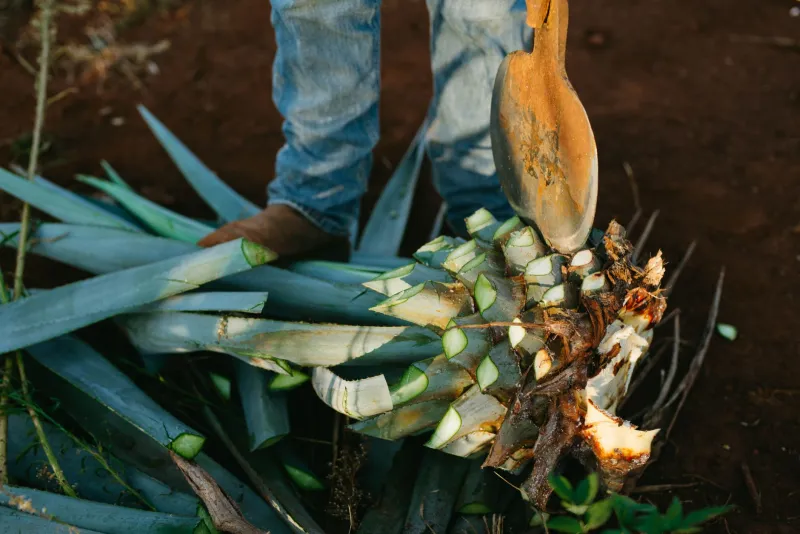
The agave plants cultivated around the hills of the Sierra de la Laguna—the mountain range that forms Cabo's dramatic inland backdrop—grow slowly in rocky, arid soil. They absorb the dry desert air during the day and the cool Pacific-influenced nights. That temperature swing, combined with low rainfall and high mineral content in the ground, concentrates the sugars in the piña (the heart of the agave plant) in ways that translate directly to complexity in the glass. Think smoky-sweet, with earthy undertones and a finish that lingers longer than you'd expect.
Finding the Distilleries: A Road Trip Worth Taking
You're not going to stumble onto these producers by accident—and that's part of the charm. Getting to the small-batch distilleries operating in the towns north and east of San José del Cabo requires a bit of planning and ideally a rental car or a guide who knows the back roads.
Several local tour operators now offer half-day and full-day agave heritage experiences that combine the drive through the Baja interior with stops at working palenques (traditional distilleries). These aren't polished brand experiences with gift shops and Instagram walls. They're often family-run operations where the maestro mezcalero will walk you through the roasting pits, the fermentation vats, and the copper pot stills while explaining how their family has been making spirits this way for generations.
If you prefer to self-guide, the stretch between San José del Cabo and the town of Santiago offers a handful of accessible producers. Call ahead—many operate on irregular schedules and genuinely appreciate the heads-up.
What to Taste and What to Ask
When you sit down for a tasting in this part of Baja, resist the urge to immediately compare everything to the tequilas you know. Ask the producer what agave varietals they're working with. Espadín is common, but some Baja producers are experimenting with wild-harvested agave species native to the peninsula—varieties you won't encounter anywhere else on a tasting menu.
Ask about the water source, too. This is where Cabo's geography gets genuinely interesting. The freshwater that feeds the distillation process in this region often comes from the Sierra de la Laguna's natural springs—water filtered through layers of granite and volcanic rock. Producers who care about their craft will light up when you ask about this. The mineral character of that water isn't incidental; it shapes the spirit.
For something approachable, look for younger expressions—blanco-style spirits bottled without aging that let the raw agave character shine. For complexity, ask if they have anything rested in wood. Baja producers who age their spirits often use small barrels that impart flavor quickly in the region's warm climate, resulting in surprisingly nuanced bottles that punch above their price point.
Pairing the Experience with Cabo's Food Scene
One of the smartest ways to experience Baja agave spirits is alongside food—and Cabo's culinary scene is more than up to the task. A number of restaurants in both Cabo San Lucas and San José del Cabo have quietly built impressive mezcal programs that feature regional producers. Ask your server specifically about Baja-made spirits; a good bartender will be able to walk you through the list and suggest food pairings that make the flavors sing.
Seafood and agave spirits are a particularly inspired combination in this part of the world. The brininess of fresh Baja shellfish—clams, chocolate clams especially—plays beautifully against the smoky, mineral notes of a well-made mezcal. It's the kind of pairing that makes you feel like you've unlocked a secret the resort bars aren't telling you about.
Bringing a Bottle Home
If you fall for a particular spirit during your distillery visit, buy it on-site. Many of these small producers don't distribute widely, and you're unlikely to find the same bottle in a Cabo hotel gift shop or duty-free. Wrap it well, check it in your luggage, and you'll have the best souvenir you've ever brought home from a beach vacation—one that comes with a story worth telling.
Cabo has always been a place that rewards the curious. The beaches are undeniably spectacular, the nightlife is legendary, and the fishing is world-class. But the agave trails winding through the Baja interior? That's the layer of this destination that most visitors never discover. Once you do, it changes how you see—and taste—everything else about this remarkable corner of Mexico.