The Morning Hours Are the Best-Kept Secret in Cabo — Here's How Locals Actually Start the Day
Here's something most resort brochures won't tell you: Cabo San Lucas is a different city before 9 a.m.
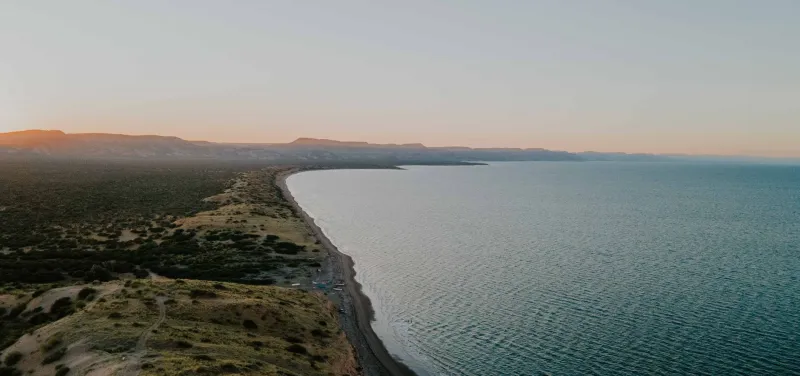
The marina is quiet. The street vendors are setting up. The light coming off the Sea of Cortez is this low, golden, unhurried thing that makes even the most ordinary corner look like a postcard. And somewhere nearby, someone's abuela is pulling tamales out of a pot that's been going since before dawn.
If you've been starting your Cabo days with a buffet at the resort, you've been missing the best part.
Why Breakfast Is a Big Deal Here
In Baja food culture, the morning meal isn't a transaction. It's the hinge that holds the day together. Families gather. Neighbors catch up. Workers fuel up before heading to the docks or the markets. The food is specific — not the same thing you'd get at lunch or dinner — and the spots that serve it are often unlisted, unmarked, and run by the same family that's been doing this for two or three generations.
This is "comida de verdad" — real food — and it's worth getting up early for.
Tamales from a Street Cart: The 6 a.m. Standard
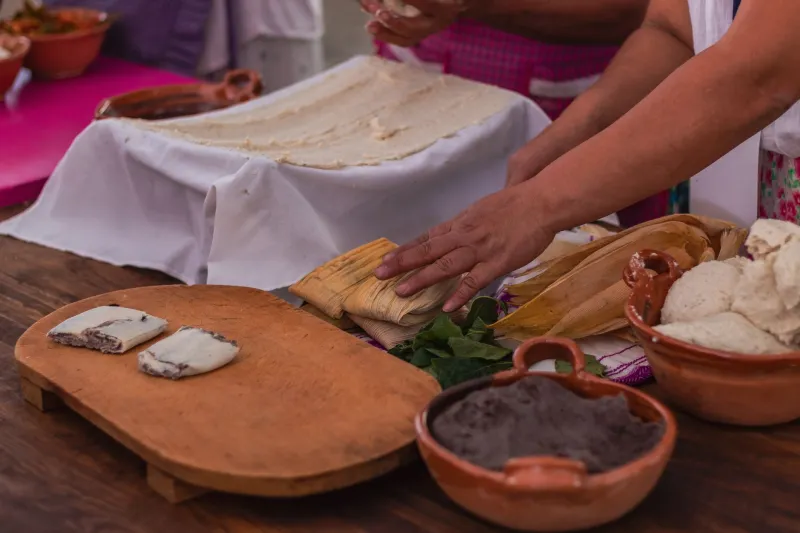
If you're up before seven and walking through the residential neighborhoods east of the marina, you'll start hearing a recorded voice from a loudspeaker mounted on a slow-moving car or cart. That's the tamale vendor. In many Cabo neighborhoods, this is as reliable as a rooster.
Baja-style tamales tend to be slightly different from what you might know from other parts of Mexico — the masa is often a little lighter, and you'll find versions stuffed with shredded chicken in red chile sauce, pork in green salsa, or rajas (strips of roasted poblano with cheese). They come wrapped in corn husks, served in a paper bag, and cost somewhere between 15 and 25 pesos each.
Eating one on a curb while the neighborhood wakes up around you is, genuinely, one of the more transportive experiences Cabo offers. No ambiance budget required.
Where to find them: Ask your hotel's housekeeping or front desk staff where the nearest morning tamale vendor parks. They will know. They probably stop there themselves.
Menudo and the Weekend Ritual
Weekend mornings in Cabo mean menudo. Full stop.
This slow-simmered tripe soup — rich, deeply red from dried chiles, finished with oregano and a squeeze of lime — is the traditional hangover cure and Saturday morning staple across Mexico, and Cabo is no exception. The places that do it best are usually small, cash-only, and packed by 8 a.m. with a mix of families, fishermen, and people who made questionable decisions the night before.
Menudo is an acquired taste for some Americans, and that's fair. The texture of tripe is not subtle. But if you're the kind of traveler who goes toward unfamiliar things rather than away from them, this is one of those experiences that shifts your sense of what "Mexican food" actually is.
Hominy (large, tender corn kernels) is usually added, giving the broth a starchy body that makes the whole bowl feel substantial. Tostadas, chopped white onion, dried oregano, and chile flakes come on the side for customizing.
What to order: Just ask for a bowl of menudo. It usually comes in one size. Tell them "con todo" if you want the full accompaniments.
Chilaquiles: The Comfort Move
For travelers who want a bridge between familiar and local, chilaquiles are the answer. Tortilla chips — either fried fresh or made from day-old tortillas — simmered in either red or green salsa until they soften just enough to hold the sauce, then topped with crema, crumbled queso fresco, sliced onion, and usually a fried or scrambled egg on top.
Every family-run restaurant (and many street stalls) has a version. The salsa is the variable — some spots do a tangy tomatillo green that's bright and sharp; others do a deep, smoky red that's closer to mole territory. Ordering chilaquiles at a local spot is a good litmus test for the kitchen. If they're good here, everything else will be good too.
Ask for "chilaquiles verdes con huevo" and you're set.
Café de Olla: The Only Coffee You Should Be Drinking
Forget the espresso machine at the resort for one morning. Café de olla is coffee brewed in a clay pot with cinnamon and piloncillo (unrefined cane sugar), and it's the traditional morning drink across Mexico. The result is warm, slightly sweet, faintly spiced, and nothing like anything you'd get from a chain.
Some of the best versions in Cabo come from the small fondas (family lunch counters) and taquerías that open early. It's usually served in a small ceramic cup for around 20 pesos. Drink it while standing at the counter. That's how it's done.
The Fonda Experience: A Full Breakfast, Family-Style
A fonda is essentially a family-run dining room — sometimes literally inside someone's home, sometimes a converted garage or a few tables in a courtyard. They typically serve set breakfast plates (desayuno corrido) that include eggs prepared your way, refried beans, fresh tortillas, salsa, and sometimes a small bowl of fruit or a cup of atole (a warm, thick corn-based drink).
The price is usually between 80 and 120 pesos for the whole spread. The atmosphere is chaotic in the best way — kids running through, a telenovela playing on a wall-mounted TV, the cook shouting something from behind a curtain.
This is the breakfast experience that travelers who've done it once spend years trying to recreate.
How to find a fonda: Walk away from the tourist corridor, toward the streets behind the central market or the neighborhoods around Colonia El Médano. Look for hand-painted signs that say "Desayunos" or "Comida Corrida." If there are locals inside, go in.
Why Starting Your Day This Way Actually Matters
Here's the thing about eating breakfast like a local in Cabo: it's not just about the food. It's about timing your entry into the day differently.
When you're up early and out in the neighborhood, you catch the city in its unguarded state. You see the fishing boats coming in. You hear Spanish conversations that aren't directed at tourists. You start to feel the actual texture of the place rather than the curated version of it.
The rest of your day — the beach, the excursions, the dinner reservations — all of it lands differently when you've already had a real Cabo morning. You're not just a visitor passing through. You've been part of the day since it started.
That's a different kind of trip. And it starts with tamales at six in the morning.