Forget Napa: Baja's Wine Country Is the Best-Kept Secret in Your Glass
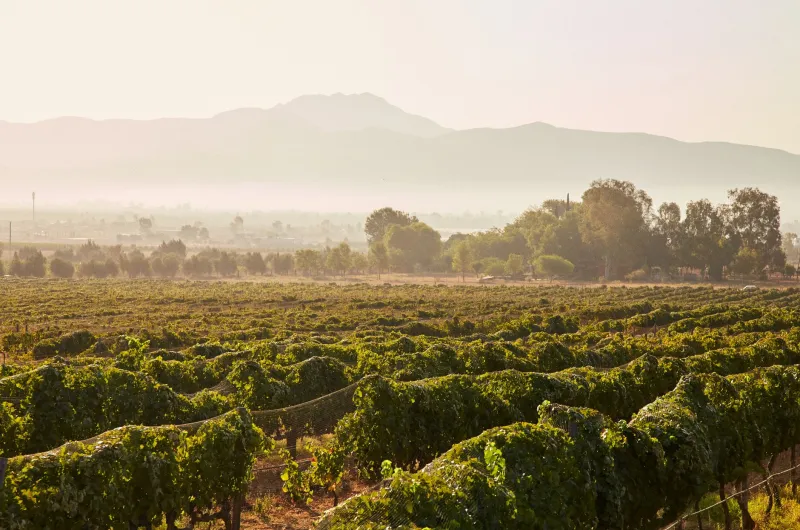
Somewhere between the cactus-lined highways south of Ensenada and the shimmering Pacific coastline, something unexpected is happening. Rows of grapevines stretch across a sun-baked valley floor, shaded by olive trees and framed by granite boulders. The air smells like dust and rosemary and something faintly oceanic. Welcome to Valle de Guadalupe—Mexico's answer to wine country, and arguably one of the most exciting wine regions in the entire Western Hemisphere right now.
If you're planning a trip to Cabo San Lucas and you consider yourself even a casual wine drinker, this detour deserves a spot on your radar. It's not a replacement for the beach days and the margaritas. It's the layer underneath—the part of Baja that most tourists completely miss.
Why This Valley Produces Wine That Turns Heads
The terroir story here is genuinely fascinating, and it's worth understanding before you start pouring. Valle de Guadalupe sits in a narrow inland corridor about 20 miles east of Ensenada, roughly six hours north of Cabo by road. The valley runs between two mountain ranges that act like natural windbreaks, while cool marine air drifts in from the Pacific each evening to drop temperatures dramatically after scorching afternoons. That thermal shift—hot days, cold nights—is the same dynamic that makes Burgundy and parts of Oregon wine country so compelling. Grapes stress just enough to concentrate their flavors without sacrificing structure.
The soils are granite-heavy and nutrient-poor, which forces vines to dig deep and produce smaller, more intensely flavored fruit. Rainfall is minimal, which means most producers irrigate carefully and harvest with precision. The result? Wines with a distinctive character that's neither fully Old World nor entirely New World—something in between, with a desert-coastal personality all their own.
Nobody handed this region a reputation. Winemakers here built it bottle by bottle, often against the skepticism of an international wine community that assumed serious wine couldn't come from Mexico.
The Producers Rewriting the Rules
A decade ago, Valle de Guadalupe had a handful of notable names. Today, there are over 150 wineries operating in the valley, ranging from multigenerational family estates to scrappy one-person operations pouring out of converted shipping containers. The diversity is half the appeal.
Adobe Guadalupe is one of the region's anchor estates—a stunning hacienda-style property that produces Rhône and Bordeaux-inspired blends under names drawn from archangels. Their flagship red, Gabriel, is the kind of wine that makes you set down your glass and just think for a second. They also run a small inn on the property, which makes for an unforgettable overnight if you want to slow down and actually absorb the place.
Vena Cava takes a completely different approach. Founded by Phil Gregory and his wife Eileen, the winery is built partly from repurposed boat hulls—a nod to the marine heritage of the region—and the aesthetic is deliberately relaxed and creative. Their wines lean toward the unconventional: natural fermentations, minimal intervention, and blends that don't always follow the rulebook. The outdoor dining area under the shade structures is exactly where you want to be on a warm afternoon.
Bodegas F. Rubio is a smaller operation that deserves more attention than it gets. Fourth-generation viticulturalists, the Rubio family farms some of the oldest vines in the valley and produces limited-quantity bottles that rarely leave the region. Finding their wine outside of Baja is nearly impossible, which makes tasting it there feel like a genuine discovery.
For visitors interested in the next wave, keep an eye on younger producers like Bruma and Tres Valles, both of which are drawing a younger, design-forward crowd and experimenting with Italian varietals—Nebbiolo, Sangiovese, Vermentino—that are finding a surprisingly comfortable home in the Baja climate.
How to Build a Wine Day (or Weekend) from Cabo
Getting to Valle de Guadalupe from Cabo San Lucas requires some planning, but it's absolutely doable as part of a longer Baja itinerary. The most straightforward approach is to fly into Tijuana or Ensenada and work the valley into the first or last leg of your trip. Road-trippers doing the full Baja Peninsula drive will pass right through it naturally.
If you're flying in and out of Los Cabos International, consider adding two or three days at the front end of your trip. Rent a car in Tijuana, drive the scenic coastal highway south toward Ensenada, spend a night or two in the valley, then continue down the peninsula. By the time you hit Cabo, you'll feel like you've actually experienced Baja—not just the resort version of it.
Once you're in the valley, navigation is part of the adventure. There's no formal wine trail with color-coded signs the way you'd find in Sonoma. Some wineries require reservations; others welcome walk-ins on weekends. The general rhythm is to arrive by late morning, visit two or three producers over the course of the afternoon, and plan your day around a long lunch at one of the valley's open-air restaurants. Corazón de Tierra, located inside the Encuentro Guadalupe resort, is widely considered one of the best farm-to-table dining experiences in all of Mexico. Reserve well in advance.
Accommodations in the valley range from glamping-style tents perched on hillsides to boutique inns tucked into vineyard rows. If budget is a consideration, Ensenada is only 20 minutes away and offers a full range of hotel options at significantly lower prices than anything you'd find near a Napa tasting room.
What Makes This Different from Your Last Wine Trip
The Valle de Guadalupe experience is looser, dustier, and more improvisational than what you'd encounter in California wine country. There's no valet parking at the end of a manicured lane. The tasting fees are genuinely reasonable—often $10 to $20 for a flight, sometimes waived with a bottle purchase. The winemakers themselves frequently pour their own wines and want to talk about what they're doing.
That accessibility matters. Wine culture in this valley is still at a stage where the people making the bottles are easy to reach, curious about their visitors, and proud in a way that hasn't calcified into performance. You're not a customer being managed through a luxury experience. You're a guest in someone's passion project, and that changes the entire feeling of the visit.
For Cabo travelers who want more texture in their trip—who are already drawn to the idea of a destination where the desert meets the sea and nothing quite fits the expected mold—Valle de Guadalupe is a natural extension of that spirit. The wine is excellent. The setting is dramatic. And the fact that most tourists skip it entirely? That's not a drawback. That's the whole point.