Market Smart: How to Shop Cabo's Mercados Like You've Done It a Hundred Times
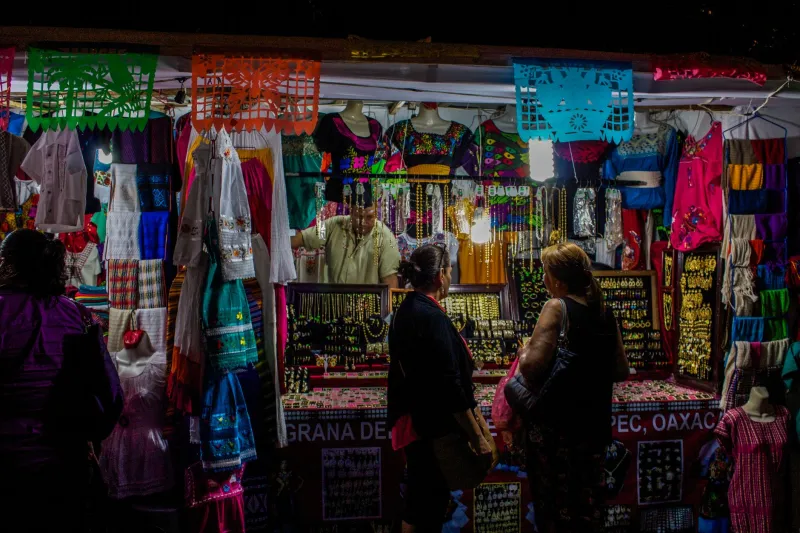
Let's be honest — most first-timers to Cabo San Lucas walk into a market, get immediately surrounded by vendors calling out "Hey, amigo, best price for you," panic-buy a ceramic skull they'll never display, and retreat back to the resort pool feeling vaguely defeated. It doesn't have to go that way.
Cabo's markets are genuinely one of the best parts of any trip here. They're where the desert-meets-the-sea culture shows up in full color — hand-dyed textiles, fresh chiles, silver jewelry, and smells that'll make you want to move here permanently. You just need to know how to navigate them without the tourist tax, the awkward standoffs, or the buyer's remorse.
Here's how to do it right.
Know the Difference Between Market Types Before You Go
Not all markets in Cabo are created equal, and knowing which one to visit first will save you time and money.
Mercado Municipal (the main public market near downtown Cabo San Lucas) is where locals actually shop. You'll find fresh produce, dried spices, local cheeses, butcher stalls, and household goods alongside a smaller selection of crafts. The vibe is utilitarian and low-pressure — vendors here aren't primarily targeting tourists, which means prices are closer to fair and the hustle is minimal. This is your baseline for understanding what things actually cost before you hit the souvenir stalls.
The Marina Boardwalk vendors and the shops along Boulevard Marina are a different animal entirely. Beautiful stuff, yes — but these are tourist-facing operations, and pricing reflects that. That's not a knock on them; it's just the reality. Think of these as your splurge zone, not your bargain zone.
Pueblo La Playa and the smaller neighborhood tianguis (open-air pop-up markets) that rotate through the week are where you'll find the real hidden gems — local artisans, food vendors, and prices that don't factor in a marina view.
What's Actually Worth Buying (and What's Not)
The souvenir market in Cabo is flooded with mass-produced items imported from mainland Mexico or even further abroad. That doesn't mean they're bad, but it does mean you shouldn't pay handmade prices for factory goods.
Worth buying:
- Baja-specific hot sauces and salsas — Look for small-batch bottles from local producers. Ask if it's made locally (¿Es hecho aquí?). These travel well and taste nothing like what you'll find stateside.
- Hand-painted Talavera-style pottery — Genuine hand-painted pieces have slight imperfections that are actually a good sign. Perfectly uniform patterns usually mean machine-made.
- Silver jewelry — Cabo sits in reasonable proximity to Taxco, Mexico's silver capital, and you can find beautiful sterling pieces here. Look for the "925" stamp. Skip anything that looks like it came from a mall kiosk.
- Woven goods and textiles — Blankets, table runners, and tote bags made from natural fibers by local artisans are practical, beautiful, and easy to pack.
- Dried chiles and spices — Mercado Municipal is the place for these. Grab some ancho, pasilla, or chile de árbol and you'll be the most interesting person at your next dinner party.
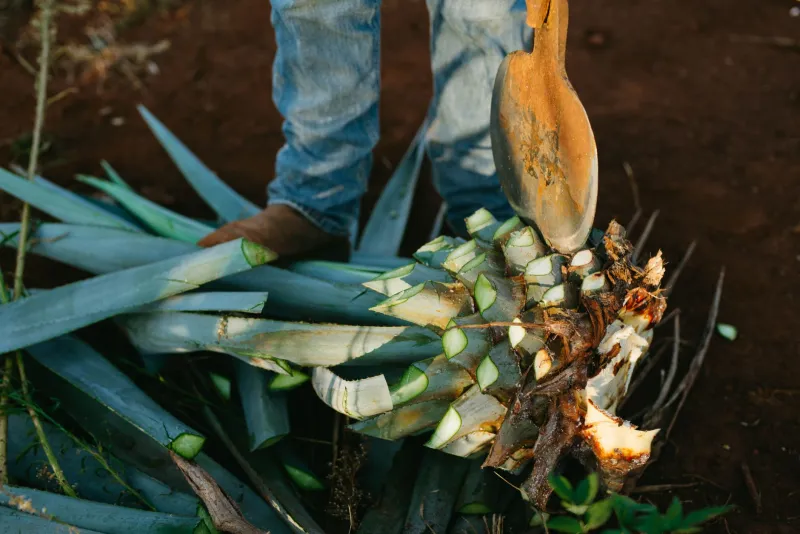
- Mezcal and local spirits — Small-batch artisanal mezcal (not the tourist-trap stuff with the worm) makes a genuinely excellent gift. Ask the vendor about the agave variety and production region.
Skip:
- Branded "Cabo San Lucas" T-shirts (unless you specifically want that)
- Anything labeled "authentic" with a price that seems too good to be true
- Mass-produced Day of the Dead figures that look identical across every stall
The Art of the Haggle (Without Making It Awkward)
Here's the thing about bargaining in Cabo's markets — it's expected in some contexts and genuinely rude in others. Reading the room matters.
At souvenir and craft stalls, especially along the marina or in tourist-heavy areas, negotiating is completely normal. Vendors often start at 30–50% above what they'll actually accept. A good opening move is to express genuine interest, ask the price, and then counter with roughly 60–70% of that number. Don't lowball aggressively — it's not a power move, it's just uncomfortable for everyone. If they meet you somewhere in the middle, that's usually the deal.
A few rules that'll keep things smooth:
- Don't start negotiating if you're not actually interested in buying. It wastes everyone's time and creates tension.
- Be friendly, not combative. A smile and some basic Spanish goes a long way. "¿Me puede hacer un mejor precio?" (Can you give me a better price?) is your friend.
- Cash is king. Having small bills ready signals that you know what you're doing and often opens doors to better pricing.
- At the Mercado Municipal, don't haggle on food. Prices are already fair and the vendors aren't running a tourist operation.
Timing Your Visit
Mornings are the move. Markets are freshest, cooler, and less crowded before 11 a.m. By early afternoon, the heat peaks and the cruise ship crowds arrive — a combination that makes browsing significantly less enjoyable. If you're aiming for the Mercado Municipal specifically, Tuesday and Saturday mornings tend to have the widest selection of fresh goods.
Avoid going right after a cruise ship docks. You'll know when that's happened — the marina area transforms almost instantly. Save the marina shops for a weekday evening when the cruise crowd has dispersed and vendors are often more willing to negotiate on anything they haven't moved that day.
A Few Phrases That'll Actually Help
You don't need to be fluent — just functional. Vendors in Cabo are used to English speakers and genuinely appreciate any effort in Spanish.
- ¿Cuánto cuesta? — How much does it cost?
- ¿Es hecho a mano? — Is it handmade?
- ¿Tiene algo más pequeño/grande? — Do you have something smaller/bigger?
- Me lo llevo — I'll take it.
- Solo estoy mirando, gracias — Just browsing, thanks. (Say this early and often to reduce the hard sell pressure.)
The Takeaway
Cabo's markets reward the curious and the patient. The best finds aren't going to be sitting in a display case on the marina boardwalk — they're tucked into a corner stall at the municipal market, or at a weekend tianguis where an artisan is selling directly from their own workshop. Slow down, talk to people, taste things before you buy, and don't stress too hard about getting the absolute best price on everything.
The goal isn't to out-negotiate every vendor in Cabo. The goal is to come home with things that actually mean something — a bottle of smoky mezcal, a hand-painted bowl, a bag of dried chiles — and a story about how you found them. That's a souvenir worth every peso.